

What Real Pilots Reveal About Fatigue on Aviation Forums
When pilots gather on aviation forums, few topics generate as much candid discussion as fatigue. Across dozens of threads in the most active pilot community forums, crew members of every experience level share personal stories about exhaustion, burnout, and the constant battle to stay sharp in the cockpit. These conversations offer a raw, unfiltered look at a safety issue that official reports only partially capture, much like how a detailed casino overview rating reveals nuances that surface-level impressions miss entirely.
The pilot forum landscape has evolved into a vital space for honest dialogue about operational challenges. Much like how a reliable casino overview rating aggregates multiple data points to give users a trustworthy assessment, these forums compile real-world experiences that paint a comprehensive picture of fatigue across the industry. Understanding these insights can help pilots, airlines, and regulators work together toward safer skies.

The conversations that unfold on these platforms are not mere complaints. They represent a collective body of knowledge built by professionals who face fatigue daily and have developed practical workarounds. By listening to these voices, we gain a ground-level understanding that no textbook can replicate—an approach to gathering insight that mirrors the crowd-sourced reliability of a well-constructed casino overview rating.
The Hidden Causes of Pilot Fatigue
Circadian Disruption and Irregular Schedules
The single most discussed cause of fatigue across pilot forums is circadian rhythm disruption. Long-haul crews crossing multiple time zones, short-haul pilots flying four or five legs per day, and cargo operators working through the night all share one fundamental struggle: their bodies never fully adjust. Forum members frequently describe the disorientation of waking at 3 a.m. for an early departure after landing at midnight the previous night. Like any thorough casino overview rating that weighs dozens of individual factors before reaching a verdict, a pilot's fatigue profile is shaped by the interaction of many overlapping variables rather than a single cause.
Several experienced captains have shared personal rating systems for assessing daily readiness. These self-evaluation methods function similarly to how a casino overview rating breaks down a complex experience into individual criteria—sleep quality, time since last rest, workload ahead, and hydration levels all feed into a personal fatigue score. This structured self-assessment approach has gained traction in multiple forum threads as a practical pre-flight ritual.
Regulatory bodies have implemented flight time limitations and mandatory rest periods, yet forum discussions reveal that these rules often represent minimums rather than optimal standards. Pilots report that the legal rest period frequently falls short of what their bodies actually need to recover, especially during back-to-back international rotations. The gap between regulation and reality remains one of the most debated subjects in online aviation communities.
Workload Pressure and Crew Resource Constraints
Beyond scheduling, many pilots point to increasing operational pressure as a fatigue multiplier. Airlines running lean staffing models, short turnaround times, and last-minute schedule changes all contribute to a work environment where adequate rest becomes difficult. In the same way a casino overview rating can expose operational weaknesses hidden beneath a polished exterior, forum threads reveal systemic pressures that airlines rarely acknowledge publicly.
When forum members discuss workload management, they often compare notes on how different airlines handle crew resources. Rating each carrier's approach to fatigue management has become an informal community practice, not unlike the systematic methodology behind a casino overview rating where every aspect of the experience is scrutinized and scored. Pilots maintain that airlines with transparent fatigue policies tend to retain experienced crew members longer and report fewer incidents.
| Fatigue Factor | Forum Mention Frequency | Severity Rating (1–10) | Primary Impact |
|---|---|---|---|
| Circadian disruption | Very High | 9 | Cognitive impairment |
| Insufficient rest periods | High | 8 | Reaction time delays |
| Early report times | High | 7 | Alertness reduction |
| Multi-leg duty days | Moderate | 7 | Cumulative exhaustion |
| Poor layover conditions | Moderate | 6 | Sleep quality decline |
| Personal stress factors | Moderate | 6 | Mental load increase |
This data, compiled from hundreds of forum posts, mirrors the structured evaluation approach used in rating systems across other industries. Just as a comprehensive casino overview rating accounts for factors ranging from user interface design to payout reliability, a thorough fatigue assessment must consider every variable that chips away at a pilot's alertness. The cumulative effect of multiple moderate factors can be just as dangerous as a single extreme one.
Warning Signs Every Pilot Should Recognize
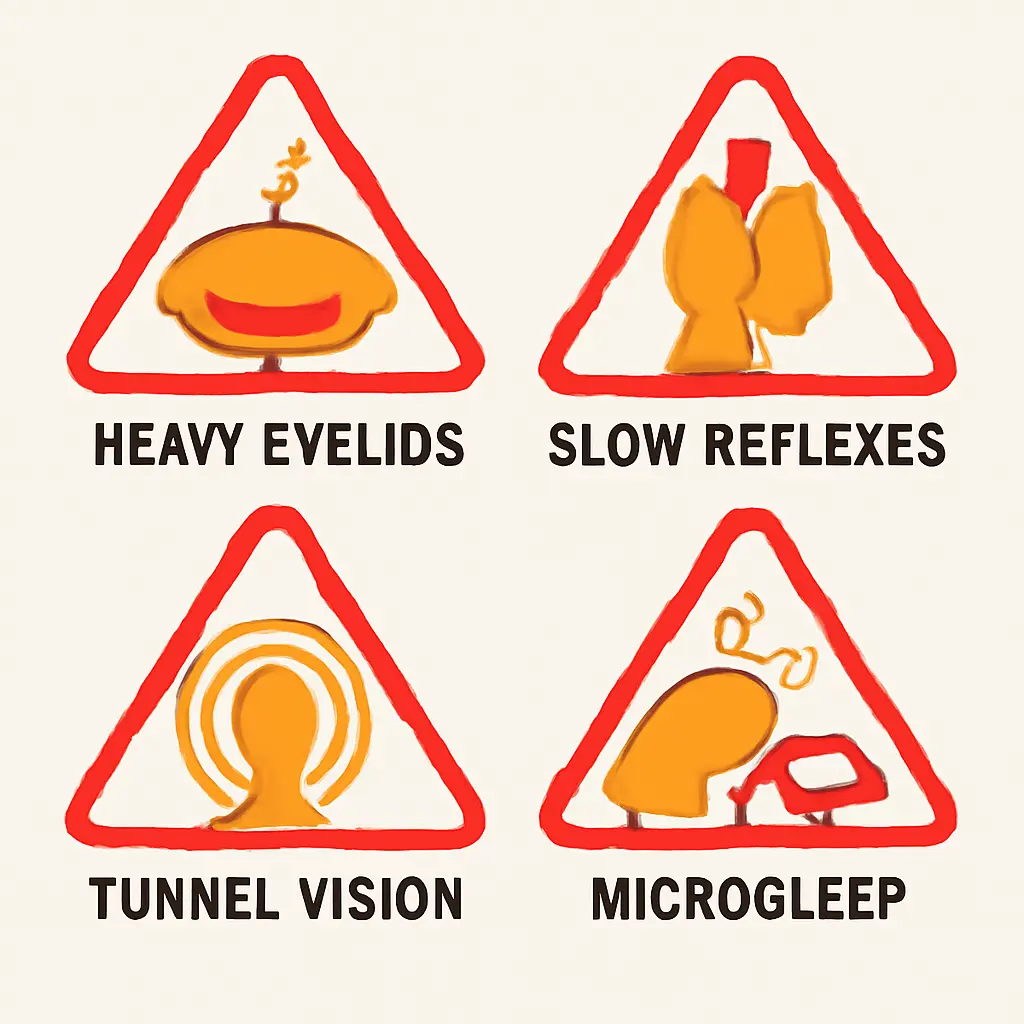
Forum discussions have produced an extensive library of fatigue warning signs that every crew member should know. These go well beyond simple drowsiness and include subtle cognitive changes that experienced pilots have learned to spot in themselves and their colleagues. Keeping current with is an essential part of managing these risks proactively.
- Microsleeps lasting two to five seconds, often unnoticed by the affected pilot
- Difficulty maintaining a consistent scan pattern across instruments
- Tunnel vision and fixation on a single task while neglecting others
- Increased irritability or uncharacteristic impatience with crew members
- Forgetting items on standard checklists that are normally automatic
- Reduced ability to process radio communications on the first listen
- Delayed response to ATC instructions or unexpected situations
Pilots on forums stress that recognizing these signs requires honest self-assessment. The aviation community has drawn interesting parallels with other fields where performance rating matters immensely. A dependable casino overview rating relies on objective criteria rather than subjective impressions, and pilots are learning to apply similar objectivity when evaluating their own fitness to fly. Several forum contributors have developed personal fatigue scorecards that assign numerical values to each warning sign, producing a composite score that guides their go or no-go decision.
One particularly impactful thread featured a senior captain describing how he missed a critical altitude callout during a fatigued descent. The subsequent discussion generated dozens of similar confessions from other pilots, demonstrating that fatigue-related lapses are far more common than official incident reports suggest. Much like a casino overview rating that uncovers patterns invisible in isolated reviews, aggregating these personal accounts reveals a system-wide vulnerability that demands attention.
Proven Coping Strategies From Seasoned Crews
Sleep Optimization and Rest Protocols
The most practical value of pilot fatigue discussions comes from the coping strategies that experienced aviators share freely. These are not theoretical recommendations from a textbook—they are battle-tested techniques refined over thousands of flight hours and countless time zones crossed. The community evaluates and ranks them with a rigour comparable to how analysts compile a detailed casino overview rating, filtering out anecdotal noise to surface genuinely effective advice.
- Follow a consistent pre-sleep routine regardless of time zone, anchoring your body's expectations for rest
- Use blackout curtains and white noise machines in hotel rooms to create a controlled sleep environment
- Avoid caffeine within six hours of planned sleep and limit screen exposure one hour before rest
- Practice strategic napping during layovers—aim for 20-minute power naps or full 90-minute sleep cycles
- Stay hydrated throughout the duty period, as dehydration significantly amplifies fatigue symptoms
- Communicate openly with your flying partner about fatigue levels at regular intervals during the flight
- Use controlled rest procedures in cruise when legally permitted and operationally appropriate
Forum members frequently rate and rank these strategies based on personal effectiveness, creating a community-driven evaluation system. This collaborative rating approach shares DNA with the methodology behind a reliable casino overview rating—both depend on aggregated user experiences to produce trustworthy guidance. The strategies that consistently receive high marks from pilots across different airlines and fleet types tend to be the most universally effective.

Beyond individual techniques, the forum community emphasizes the importance of crew resource management in fatigue mitigation. Pilots who fly with regular partners describe developing mutual awareness systems where each crew member monitors the other for signs of degraded performance. This kind of peer oversight mirrors the multi-reviewer methodology central to any trustworthy casino overview rating and is something the community values as a critical safety layer.
Physical Wellness and Mental Resilience
A growing body of forum discussion centres on the role of physical fitness in fatigue resistance. Pilots who maintain regular exercise routines report better sleep quality, faster recovery from jet lag, and greater overall alertness during demanding schedules. Many compare the discipline required to the analytical consistency involved in producing a dependable casino overview rating—both demand regular effort, attention to detail, and a commitment to objective measurement over time.
Nutrition has also emerged as a frequent topic in fatigue management threads. Crew members share meal planning strategies optimized for different duty patterns, with particular attention to foods that promote alertness versus those that induce drowsiness. The pilot forum trends for this year suggest growing interest in evidence-based nutrition approaches tailored specifically for aviation professionals.
Mental health awareness represents another critical dimension. Pilots report that chronic stress from personal life, financial concerns, or career uncertainty can dramatically reduce fatigue resilience. Forum discussions around mental wellness have helped normalize conversations that were once considered taboo in the cockpit, encouraging pilots to seek support before stress compounds into dangerous exhaustion. The openness found on these forums parallels the transparency that makes a casino overview rating credible—honest reporting leads to better outcomes for everyone.
Several forum contributors also highlight the importance of maintaining hobbies and social connections outside of aviation. The mental variety provided by non-flying activities—whether exploring casino overview rating methodologies as a personal interest, pursuing outdoor sports, or engaging in creative projects—helps pilots recover more completely during off-duty periods. The key is having genuine mental outlets that allow full disengagement from work-related thought patterns.
Toward a Fatigue-Aware Culture in Aviation
The collective wisdom found across pilot forums makes one point abundantly clear: managing fatigue is not solely an individual responsibility. It requires a systemic approach that involves airlines, regulators, and crew members working in concert. The most effective fatigue risk management systems treat every data point with the same respect that a thorough casino overview rating gives to each evaluation criterion—nothing is dismissed, and every input contributes to the overall picture.
Throughout this deep dive, several core themes have emerged from the pilot community. Circadian disruption remains the primary driver of fatigue, warning signs are more subtle than most pilots initially realize, and proven coping strategies are best discovered through the shared experience of peers. Forum discussions continue to serve as an essential complement to formal training and regulatory frameworks, providing the kind of honest, real-world insight that helps pilots protect themselves and their passengers.
Moving forward, the aviation industry stands to benefit enormously from treating forum-sourced fatigue data as a valuable safety resource rather than mere anecdotal noise. Just as other industries have embraced crowd-sourced evaluation—consider how a casino overview rating draws on thousands of individual assessments to create trustworthy guidance—aviation can harness the collective voice of its pilots to build smarter fatigue policies. The conversations happening on these forums today are shaping the safety standards of tomorrow, and every pilot who contributes honestly to that dialogue makes the skies safer for everyone.



Comments
The point about microsleeps going unnoticed really hits home. Had a sim instructor once who made us log every time we caught ourselves drifting mentally during a long sector, and the results were genuinely unsettling.
The part about missing altitude callouts hits close to home. After a red-eye turn, I caught myself reading back an ATC clearance I had already forgotten by the time I hung up the mic.
The part about missing checklist items that are normally automatic really stuck with me. I had a co-worker describe blanking on a step he had done hundreds of times, and he said the scariest part was not realizing it until someone else caught it.
The part about missing checklist items that are normally automatic hit close to home. That kind of lapse feels alarming precisely because it happens so quietly.
The part about microsleeps lasting only a few seconds really stood out to me. Most people assume fatigue means visibly struggling to keep your eyes open, but these brief lapses that the pilot themselves doesn't even notice are far more unsettling.
The part about missing a checklist item that's normally automatic really hit home — that's exactly the kind of subtle sign most pilots brush off until it's too late.
The part about microsleeps being unnoticed by the affected pilot is what gets me. If you can't even detect it yourself, how are you supposed to self-report accurately?
The part about missing checklist items that are normally automatic hit close to home. That kind of forgetting feels different from regular distraction, almost like your brain is running on backup power.
The part about missing a checklist item that's normally automatic really stuck with me. I had a phase flying back-to-back red-eyes where I caught myself skipping the altimeter cross-check twice in one week, something I'd done correctly thousands of times.
The part about microsleeps lasting only 2-5 seconds really got me. I always assumed fatigue meant you would actually notice yourself dozing, not that it could happen without any awareness at all.