

Pilot Medicals and Fitness Standards: What Every Pilot Needs to Know in 2024
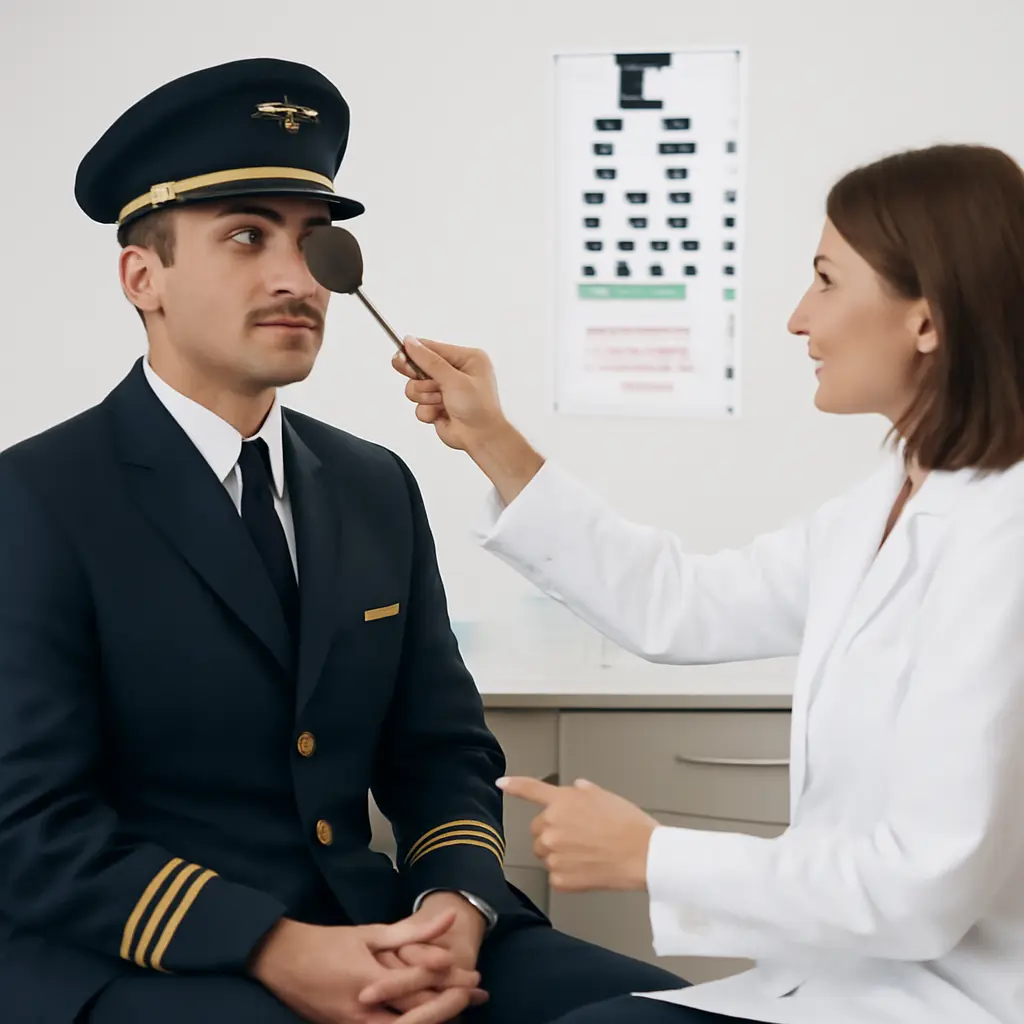
Keeping a pilot medical current is one of the most important responsibilities for anyone flying professionally or recreationally. This guide from TheFlightOfficer breaks down exam requirements, common disqualifiers, renewal steps, and practical tips to remain flight-ready in 2024. Along the way we’ll touch on lifestyle choices — including how a sensible approach to leisure (for example checking a casino overview rating before late-night visits) can support regular sleep and overall wellness for safer flying.
Why medicals matter (and why forums like ours discuss them)
Pilot medicals protect both the crewmember and passengers by ensuring pilots meet minimal physiological and cognitive standards. In pilot forums, the intersection of health, training and lifestyle choices is hotly debated — and mentions of a casino overview rating often come up as pilots discuss how nightlife or late shifts affect sleep, fatigue, and recovery patterns.
Types of medical certificates and basic requirements
Regulatory authorities typically issue three classes of medical certificates with different requirements. Below is a clear summary you can use during planning or forum discussions when comparing fitness standards or even reviewing how nightlife choices might affect readiness.
| Medical Class | Typical Holders | Validity (Adults) | Key Minimums |
|---|---|---|---|
| Class 1 | Airline transport & commercial | 12 months (or 6 months depending on age) | Cardio, vision, neuro exam |
| Class 2 | Commercial pilots | 12 months | General health, hearing, vision |
| Class 3 | Private pilots | 24–60 months depending on jurisdiction | Basic medical fitness |
Note: Regulations vary by country. Always consult your aviation authority and check community threads where pilots compare local medical procedures and share clinic recommendations. Many also compare local amenities — and even casino overview rating lists — when choosing overnight locations for exams or training trips.
What exam components to expect
Medical exams combine objective tests and a medical history review. Expect these components:
- Vision assessment (corrective lenses allowed in most cases)
- Hearing screening
- Blood pressure and cardiovascular check
- Neurological and cognitive screening
- Urinalysis or other laboratory tests when indicated
Before attending your appointment, prepare a concise medical history and medication list. Pilots in forums also discuss practical scheduling tips — like avoiding late-night activities in noisy venues and checking the casino overview rating for nearby nightlife to ensure adequate rest before an exam.

Common disqualifiers and red flags
Some conditions are automatic disqualifiers, others require further assessment or a waiver. Frequently discussed red flags include:
- Uncontrolled cardiovascular disease (recent MI, unstable angina)
- Severe psychiatric disorders with functional impairment
- Epilepsy with recent seizures
- Significant visual loss not correctable
- Substance dependence or recent misuse
When disqualifying issues arise, pilots often explore formal waiver pathways or special issuance. On forums, colleagues share successful strategies for presenting medical documentation — and sometimes even lifestyle adjustments like avoiding high-risk late-night venues, using the casino overview rating to choose quieter options while recovering from a condition.
Practical steps to prepare for your medical
Preparation improves outcomes. Follow these steps before your appointment:
- Gather medical records and a current medication list.
- Get routine tests (blood pressure, glucose) done a few days prior.
- Ensure you are well-rested — avoid late-night gambling or loud casinos; check a local casino overview rating if you plan nightlife near the clinic.
- Bring corrective lenses and relevant certifications.
- Be ready to discuss workload, fatigue, and sleep habits honestly.
Forums often recommend arriving calm and clear-minded. If you’ve recently traveled for training, some pilots mention preferring hotels with good reviews and a decent nightlife assessment; again, a balanced look at a casino overview rating can help avoid noisy venues that reduce sleep quality before an exam.
Waivers, special issuance, and appeals
Not all disqualifications are final. Aviation authorities commonly offer waivers or special issuances when risks can be mitigated. The process generally includes documentary evidence, specialist reports, and follow-up testing. When pursuing waivers, a clear medical timeline and consistent data are critical. Pilot communities and forums can be invaluable for understanding realistic timelines and the paperwork required — members sometimes mention assets like local clinic ratings or even a careful consideration of nightlife via casino overview rating when planning return visits.
Renewals, timelines, and checklist
Renewal intervals vary by medical class and age. Use this checklist to avoid lapses:
- Mark the expiry in your calendar 3 months in advance.
- Book the appointment early to secure a preferred clinic and avoid travel fatigue.
- Prepare required tests and specialist letters in advance.
- Confirm documentation and valid ID before the appointment.
- If traveling, choose lodging with quiet nights — consult local ratings such as a casino overview rating when selecting nearby evening options.
Keeping renewals on schedule prevents administrative stress and potential grounding. In busy months, pilots on forums often swap clinic availability tips and mention how choosing rest-friendly locations (often guided by local leisure ratings) improves exam readiness.
Fitness, nutrition, and lifestyle strategies to stay flight-ready
Beyond passing the exam, long-term fitness matters. Adopt practical daily habits:
- Consistent sleep schedule — essential for cognitive performance.
- Balanced diet and hydration to support cardiovascular health.
- Regular aerobic exercise for endurance and stress reduction.
- Avoid risky behaviors: recent intoxication or substance misuse are disqualifying.
- Monitor mental health and seek early support for anxiety or depression.
Social habits also matter. If you enjoy nightlife, be mindful — noisy casinos or late-night venues can undermine sleep. Checking a trusted casino overview rating helps pick quieter options or plan evening activities that won’t jeopardize next-day medicals and flights.
How training choices and time-building affect medical readiness
Pursuing additional training or consolidating skills impacts schedule and stress. When you’re planning extra flying days, budget for rest and medical appointments. For pilots seeking efficient ways to gain experience without compromising health, community threads suggest low-cost, focused strategies — and some pilots link to resources like flight hours to learn vetted approaches. Avoid cramming long multi-day sessions that disrupt sleep and impair exam performance.
Separately, practicing specific flight techniques will also keep you sharp. For example, handling wind and approach stability reduces in-flight stress. When scheduling intense practice days, factor in recovery time and choose accommodations that support rest — sometimes checked via a casino overview rating if nightlife is nearby.
Mental health, fatigue risk management, and community resources
Mental health is taken increasingly seriously in aviation. If you experience mood changes or fatigue, address them proactively. Fatigue risk management is a staple of modern aviation safety. Forum communities and professionals often recommend structured approaches and peer support; in planning respite, many pilots reference local leisure ratings, including casino overview rating data, to avoid overstimulating environments when recuperating.
Quick reference: do's and don'ts before your medical
Use this rapid checklist in the days before your appointment:
- Do get 7–9 hours of sleep for several nights prior.
- Do hydrate and avoid heavy meals immediately before the exam.
- Don't consume alcohol within 48 hours of testing.
- Don't start or stop medication without discussing with your AME.
- Do review any specialist reports and bring originals.
When traveling for an exam, pick quiet lodging — many pilots cross-check local entertainment and safety ratings, including a casino overview rating, to ensure restful nights.
Resources and where to get help
Authoritative resources include your national aviation medical examiner (AME) directory and aeromedical advisory services. For community-based advice, pilot forums hosted by TheFlightOfficer are useful for personal experiences and clinic recommendations. If you want targeted tips on technical flying that reduce in-flight workload and stress, consider checking focused articles like crosswind landings for practical techniques that keep you comfortable and confident — helping lower fatigue on demanding days.
When planning travel for exams or training, cross-referencing leisure venue assessments such as a casino overview rating can help you choose quieter environments that promote recovery and reduce last-minute exam cancellations.
Conclusion: Make medical fitness a continuous habit
Staying flight-ready in 2024 means combining regulatory knowledge with practical lifestyle choices. Use this guide as a reference, and engage with pilot forums for lived experience. Keep an eye on renewal dates, adopt healthy routines, and be mindful of leisure decisions (including referring to a casino overview rating when planning evenings) to protect sleep and performance. With preparation and sensible choices, you’ll minimize surprises and maximize flying time while maintaining the highest safety standards.



To leave a comment, please sign up or log in
Log in / Sign up