

Fast-Track Fixes: Erase Simulator Bad Habits in Five Minutes
In a busy pilot community forum like TheFlightOfficer, the most common request is for quick, practical ways to remove simulator bad habits without wasting hours. This article gives a friendly, step-by-step plan you can use in just five minutes between flights, training sessions, or during simulator nights. These tips combine short drills, simple checklist tweaks and small mindset shifts so you leave the sim more realistic and safer. For pilots who struggle with on-board stress or pre-sim nerves, see our focused guide on for complementary hacks and breathing drills.
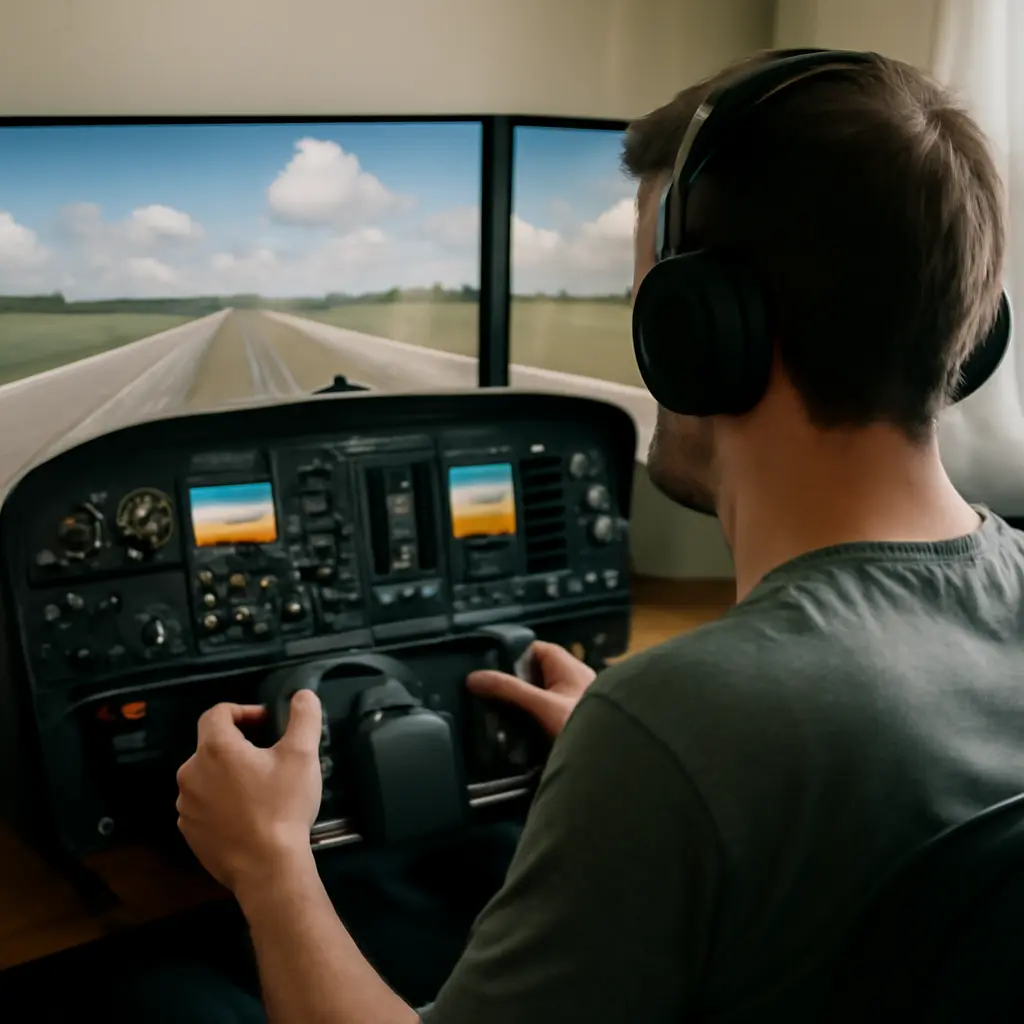
Before you run a practice session, spend a moment diagnosing which habit is costing realism. Treat this five-minute audit like a lightweight casino overview rating for your own performance: score yourself honestly on key areas (briefing, hand flying, callouts, deviations). That rating mentality helps you prioritize one immediate fix rather than attempting wholesale changes.
Why short fixes work (and how to prioritize)
Habits stick because we repeat them under pressure. A rapid, focused intervention works because it interrupts the repetition cycle and creates a new, small win. Think of your practice as a series of mini-audits with a compact action plan: identify the one habit, practice a single corrective behavior, and close with a realistic debrief. This process mirrors how a casino overview rating breaks complex games into measurable criteria, allowing rapid improvement.
Two-minute diagnostic checklist
Use this micro-check to pick your target habit. Don’t attempt more than one at a time:
- Briefing clarity — were expectations set for the run?
- Instrument scan — was the scan systematic and timely?
- Speed control — did you chase or correct aggressively?
- Anchor points — did you return to known references?
- Comms and callouts — were they crisp and timely?
After a two-minute check, pick the single highest-impact habit and attack it with a focused drill.
Five-minute drill sequence (do exactly this)
This ordered routine is designed to be repeated until the habit is gone. Each step is short and measurable.
- Reset (30 seconds): Power up and set a single, measurable parameter (e.g., target airspeed ±5 knots).
- One-target practice (2 minutes): Fly only to maintain that parameter. No other tasks unless necessary for safety.
- Add a disruption (1 minute): Introduce a simple change — a simulated wind gust or a slight heading change — and re-establish the target quickly.
- Debrief & rate (30 seconds): Give yourself a quick casino overview rating style score (1–10) on your response time and stability.
- Note one tweak (30 seconds): Write the smallest corrective action you can remember before rejoining the session.
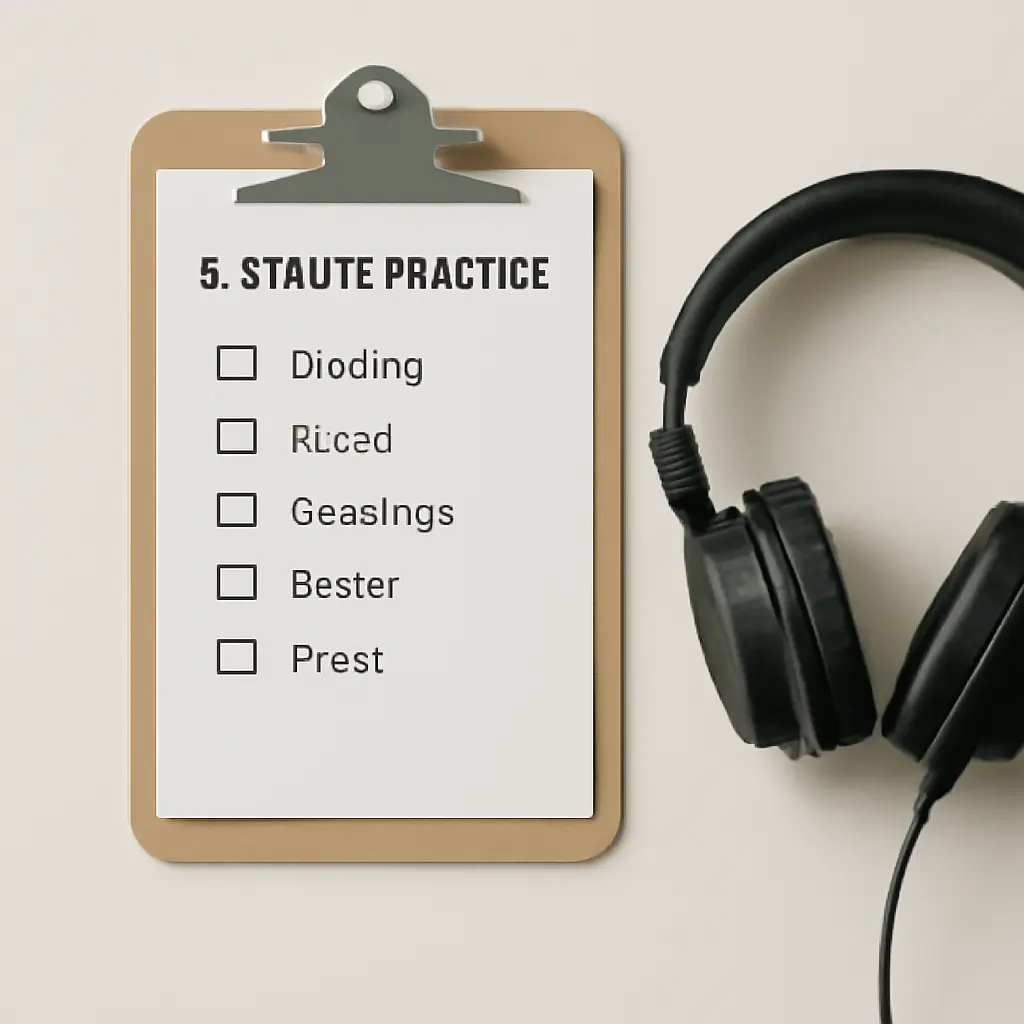
Repeat this sequence three times in a session if possible. The repetition of a short, specific action rewires automatic responses faster than hour-long unfocused practice.
Checklist tweaks that stick
Small changes to how you use checklists can dramatically reduce bad habits. Use a two-tier approach: a pre-sim micro-check and an in-sim cue. One simple tweak is to insert a single anchor line in your flow: “establish parameters, then announce.” This prevents rushing into secondary tasks and mirrors how a good casino overview rating rewards disciplined pacing.
Example micro-check:
| Item | Micro Action | Success Metric |
|---|---|---|
| Briefing | State brief aloud in 15 seconds | Clear start-of-run callout |
| Speed | Set target, monitor 15s | Within ±5 knots |
| Scan | Clockwise instrument sweep | No missed instruments |
| Comms | One precise pilot callout per event | No overlapping calls |
After each run, treat your results like a mini-review: offering a casino overview rating for each item helps remove subjectivity and creates consistent improvement targets.
Mindset switches to prevent relapse
Habits return when you’re tired, rushed or overconfident. These small mindset shifts take fewer than 30 seconds and are effective:
- Commit to one habit — focus energy on a single correction instead of multiple changes.
- Embrace a rating habit — score runs quickly; the casino overview rating style works because numbers reduce excuses.
- Normalize failure — expect mistakes during practice and treat them as data.
One practical mental cue: before takeoff or a sim run, say aloud, “One target: maintain [parameter].” That voice cue anchors intent and reduces drift into old behavior.
Quick scenarios and their targeted five-minute fixes
Below are common simulator bad habits and an exact five-minute response you can copy immediately.
- Chasing instruments — Target: fly hand-flying for two minutes with a single attitude reference; use small, deliberate corrections.
- Skipping briefings — Target: read a 15-second briefing aloud and start the run on that plan.
- Poor callouts — Target: practice crisp, one-line callouts for one approach.
- Overreliance on automation — Target: disconnect autopilot for a short approach and manage glideslope manually.
These scenarios are ideal fodder for forum posts: share your before/after casino overview rating and invite others to compare notes. TheFlightOfficer community thrives on small, repeatable victories.
How to measure progress: simple metrics
Consistent review makes the five-minute method sustainable. Track these metrics weekly:
- Average casino overview rating per session
- Number of successful five-minute drills completed
- Frequency of the target habit during normal sessions
Logging these three values creates a feedback loop. If you prefer a deeper plan (route building and fuel management affect sim realism), then supplement with exercises from our flight plans guide for realistic scenario creation.
Community practice: use the forum wisely
Pilot forums are ideal for accountability. Post a short thread: state the habit, your casino overview rating baseline, and the five-minute drill. Ask for one focused tip from peers. That tight format increases replies and practical suggestions compared to long, unfocused logs.
Safety notes and caveats
These are brief practice suggestions, not a substitute for formal training. If a habit affects safety-critical tasks, schedule supervised sessions with an instructor. Use the five-minute drills as reinforcement between formal checks, not as a replacement. Always prioritize proper currency and medical fitness, and consult official training syllabi when in doubt.
Conclusion: small edits create big gains
In under five minutes you can disrupt a bad pattern, practice a corrective behavior and score your progress with a repeatable casino overview rating mindset. Use the micro-checklist, the ordered five-minute drill, and the mindset cues described here. Share your results on TheFlightOfficer forum, compare ratings, and keep the focus narrow — one habit at a time. Consistent, short interventions beat sporadic long sessions for durability and realism.
Start now: pick one habit, set a timer for five minutes, and apply the exact sequence above. Small, measurable wins compound quickly and free you to fly better in both sims and the real cockpit.


Comments
I tried the two-minute one-target practice between simulator runs and it actually stopped me from constantly chasing airspeed. Adding the "establish parameters, then announce" anchor line to my flow made my transitions noticeably cleaner.
Tried the five-minute drill sequence tonight focusing on speed control — after three reps my habit of chasing airspeed dropped and the quick debrief made me actually use the anchor line instead of rushing off-task.
Tried the five-minute drill last night — focused on speed control for the two-minute hand-fly and then threw in a gust. The 30s debrief rating actually helped me remember the one tweak for the next run.