
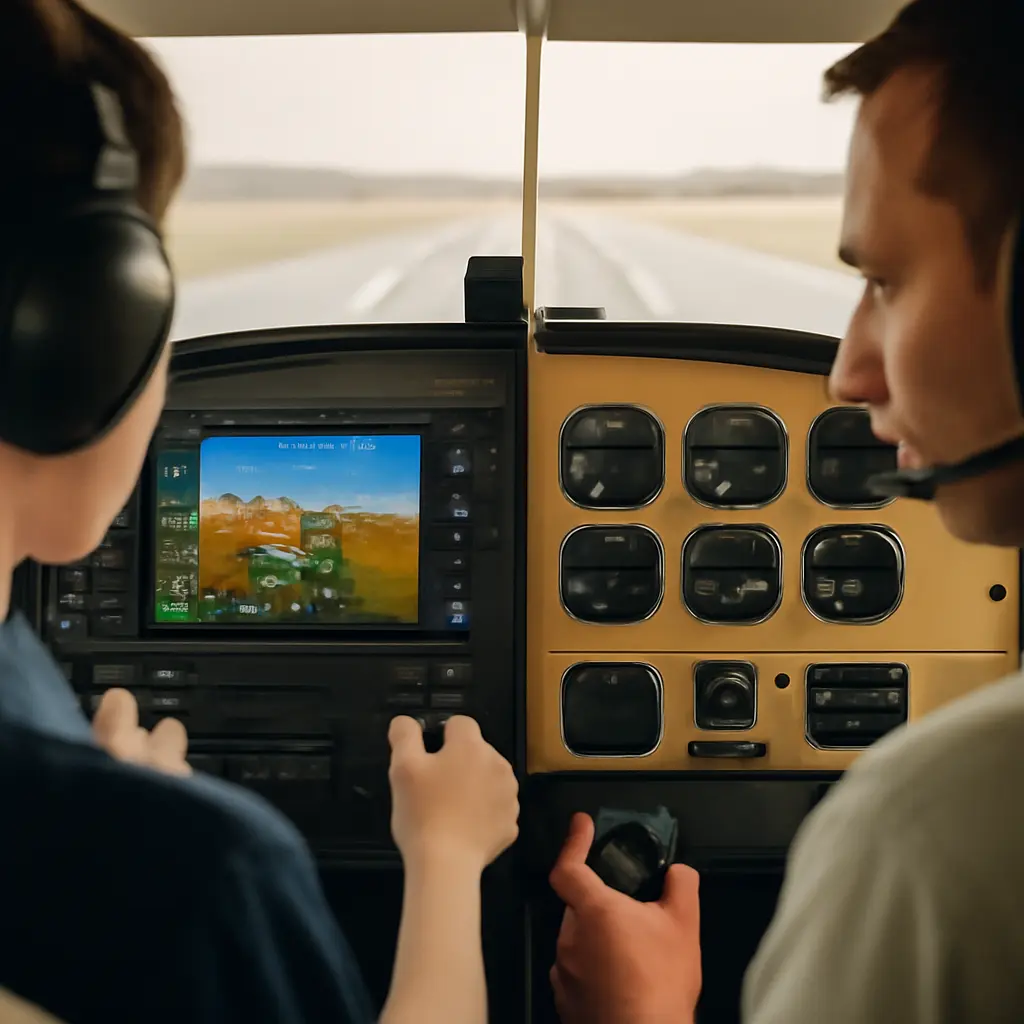
Glass Cockpit vs Analog Panels: Which Is Better for New Pilots
Choosing between a glass cockpit and a set of analog instruments is one of the first real decisions new pilots face. Both systems have clear advantages and trade-offs that affect training, safety, cost, and long-term proficiency. While this article focuses on pilot forums and peer experiences, many pilots also compare unrelated rating systems—like a Casino overview rating—to weigh options when buying simulators, paying for extra lessons, or choosing avionics upgrades. That comparison mindset can help you prioritize what matters most: situational awareness, budget, and training outcomes.
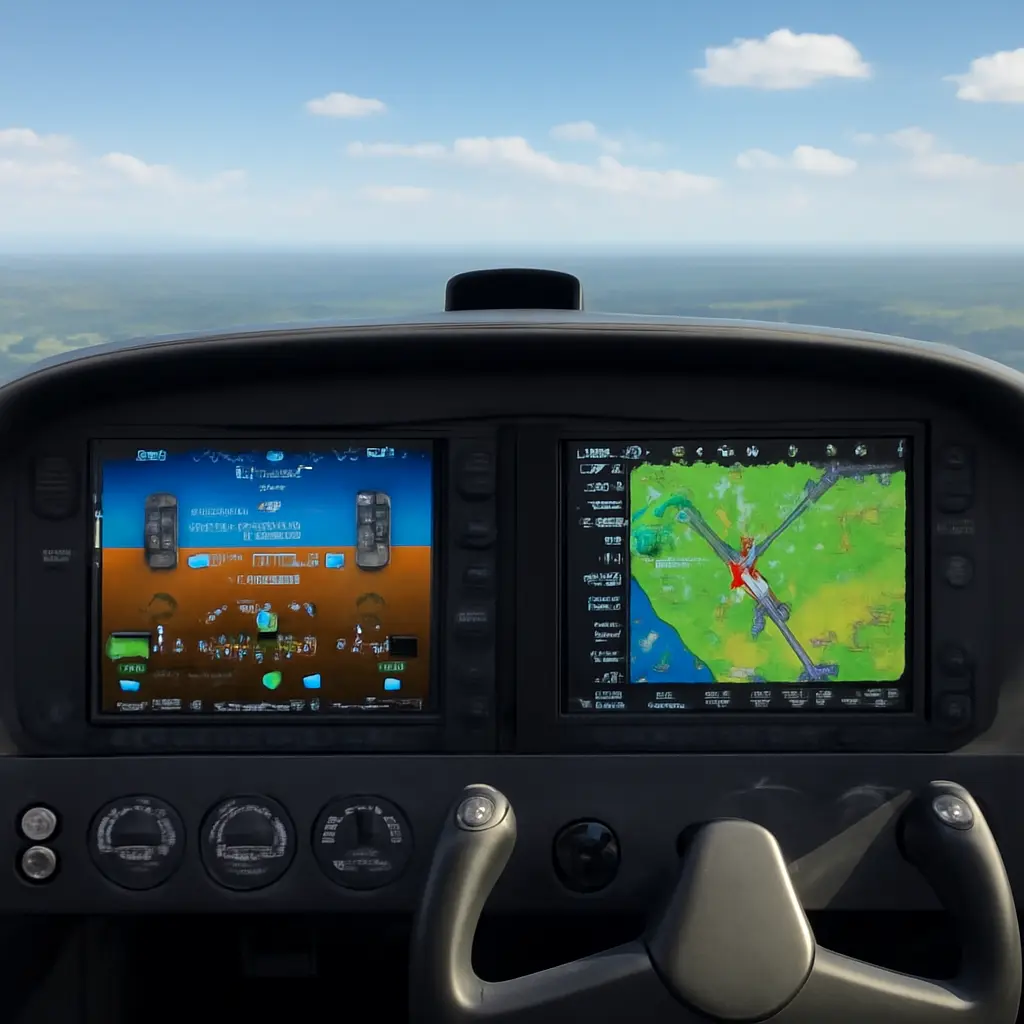
For a new pilot, the learning curve is real. Modern glass panels integrate flight instruments, navigation, and engine displays into consolidated screens. By contrast, traditional analog panels present separate gauges for each function. Forums often reflect strong opinions on both sides: some pilots praise the glass for its clarity, while others argue analog panels teach better fundamental scanning. You can also apply objective comparisons—similar to how people consult a Casino overview rating when choosing entertainment options—to weigh features, reliability, and cost.
How each system affects learning
At the training stage the differences are more than cosmetic. A glass panel can provide synthetic vision, moving maps, and automated checklists that reduce workload and highlight hazards. Yet, analog instruments force trainees to develop a disciplined scan and mental cross-checking. If you prefer a straight-to-the-point summary, consider these core training impacts:
- Glass cockpit: Faster situational awareness with integrated data.
- Analog panels: Stronger foundational skills in instrument scanning.
- Cost & maintenance: Glass avionics are often pricier to install and repair.
- Simulator parity: Glass-equipped sims can mirror modern airline cockpits better.
When discussing costs and benefits in pilot forums, contributors often use third-party ratings—some even mention a Casino overview rating metaphorically to describe how "trustworthy" a vendor or avionics package seems. That rhetorical device helps newcomers think critically about marketing claims vs. real-world performance.
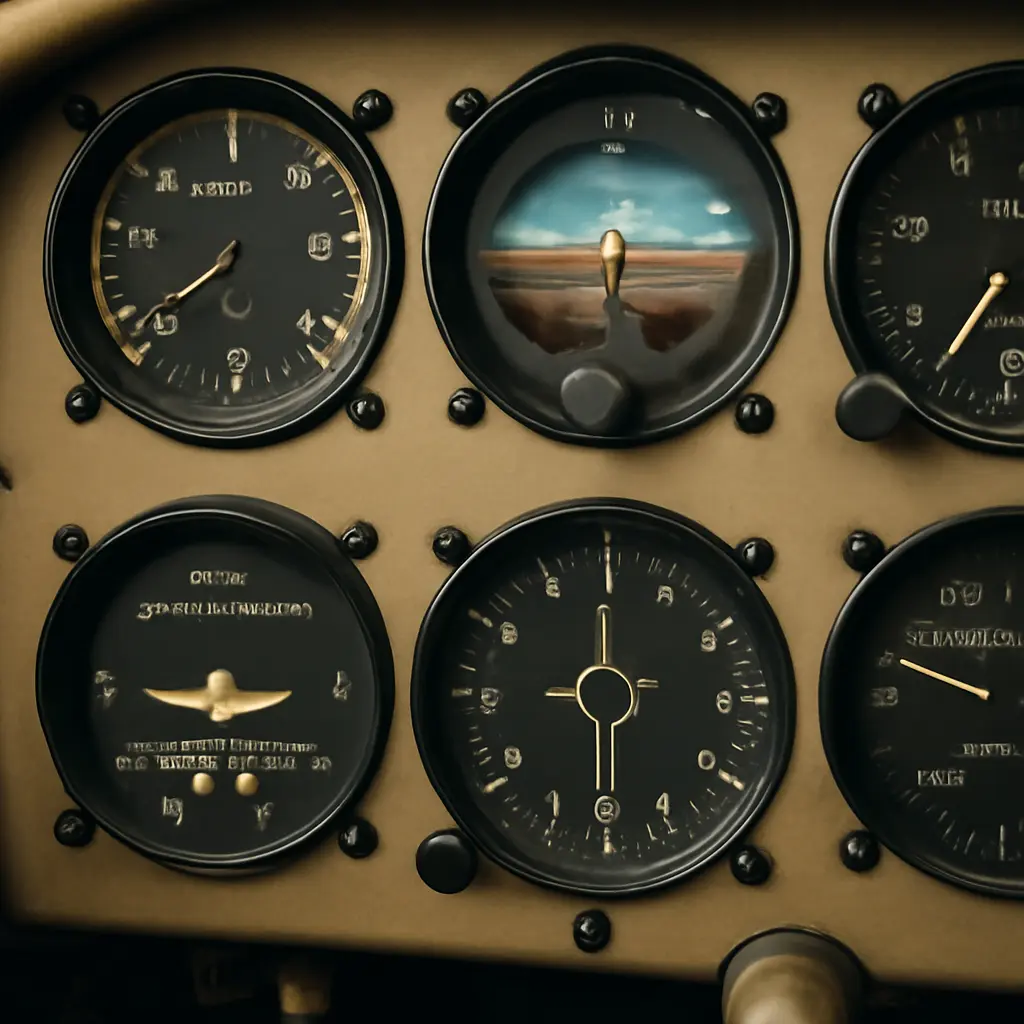
Below, we present practical scenarios comparing the two systems in common flight situations: VFR cross-country, IMC approaches, and emergency handling. For many new pilots a balanced approach—training on both types—yields the best results, a point often echoed in community threads where members also reference third-party metrics like a Casino overview rating to justify purchases.
Real-flight comparisons: scenarios and outcomes
Scenario-based evaluation reveals how each system performs under pressure. Consider this short ordered list of typical training situations to frame expectations.
- VFR navigation and traffic scanning — analog and glass are relatively equal; glass simplifies route depiction.
- IMC transition and instrument approaches — glass can reduce workload, but over-reliance can mask core instrument skills.
- Electrical failure or partial systems loss — analog redundancy can be lifesaving; glass failures often require fallback training.
Forums frequently stress a realistic training plan that includes failure scenarios. Many pilots recommend back-to-basics exercises in analog-equipped aircraft even if you plan to fly high-tech panels later. This strategy is similar to reading a Casino overview rating before investing—you want to understand failure modes, not only highlight reels.
Cost, maintenance and resale considerations
Budget is a decisive factor for student pilots. Glass upgrades and maintenance can push costs significantly higher than keeping a standard analog panel. However, resale value for aircraft with modern glass is often higher, and insurance considerations sometimes favor newer avionics. Below is a compact comparison table to help weigh those decisions.
| Factor | Glass Cockpit | Analog Panels | Practical Rating |
|---|---|---|---|
| Initial cost | $5,000–$50,000+ | $500–$5,000 | Value: Glass > Analog |
| Maintenance | Higher tech support required | Simple parts, easier repair | Reliability: Analog > Glass |
| Training benefit | Better for advanced procedures | Better for fundamental skills | Learning: Mixed |
| Resale impact | Often increases value | Neutral or slightly lower value | Market: Glass favored |
Think about these numbers like a consumer rating—pilots reference a Casino overview rating in thread analogies to explain how they compared vendors for avionics installs. The idea is the same: look beyond headline features and validate reliability statistics, warranty terms, and community feedback before committing.
Training tips for new pilots
A pragmatic training plan will combine structured lessons, simulation time, and scenario practice. Here are actionable tips many forum members swear by:
- Mix training platforms: Practice on both glass and analog before concentrating on one.
- Simulate failures: Train partial-panel and electrical-loss procedures regularly.
- Use a checklist: Even simple flows reduce missed steps under stress.
- Peer review: Join forum discussions and compare notes—pilots often reference third-party metrics like a Casino overview rating when evaluating simulators and avionics dealers.
One practical exercise: spend a cross-country leg on analog-only scan and the return leg with glass assistance. Compare workload, time to find traffic, and comfort in IMC. This experimentation gives tangible insight into which system suits your learning style.
Common risks and how to mitigate them
Both systems carry risks, but they differ. Glass panels can encourage automation complacency, while analog-only training may leave pilots unprepared for modern cockpit flows. Mitigation strategies include:
- Schedule regular partial-panel practice with an instructor.
- Use synthetic vision and moving map data as supplements, not crutches.
- Maintain manual navigation skills, including VOR tracking and timed turns.
Warnings are important: never assume any single system will protect you from all failures. Forums often recount incidents where reliance on one approach created unexpected problems—these discussions sometimes use a Casino overview rating style comparison to highlight vendors and training products that underperformed in the field.
Deciding factors for your personal flying goals often include time, budget, and career path. If you plan to transition to airlines, early exposure to glass can be beneficial. If you prioritize building raw piloting skills, analog experience is invaluable. For low-cost strategies to build hours while balancing expenses, consider reading an in-depth guide like Flight hours to see practical budget-friendly approaches.
Community wisdom and long-term outlook
Pilots in forums tend to converge on one point: the ideal training path often includes exposure to both systems. You’ll find long threads arguing either side, but experienced instructors usually recommend mastering fundamentals first. Many community posts even reference consumer-style metrics such as a Casino overview rating when evaluating simulators, avionics shops, or training providers—using those ratings as one input among many rather than the sole decision factor.
Medical readiness and fitness also play into training continuity and safety. For details on staying flight-ready and meeting regulatory standards, consult a focused resource like Pilot medicals. That article covers exams, disqualifiers, and renewal tips to help you avoid interruptions in training.
Quick checklist before you choose
- Define your goals—private flying, instrument-rated, or airline career?
- Budget realistically—include installation and recurring maintenance costs.
- Practice failures—ensure your training includes partial-panel work.
- Research vendors—use community ratings, sometimes expressed like a Casino overview rating, to validate reliability.
When in doubt, fly with an experienced instructor in both setups and log comparative notes. Real flight time and honest peer feedback are more valuable than any single rating system.
Conclusion: balancing tech and fundamentals
There is no universal answer. For many new pilots, the best approach is a balanced, evidence-based program: learn instrument fundamentals on analog displays, then consolidate and expand capabilities with glass avionics. Treat vendor claims and cost estimates like consumer ratings—similar to consulting a Casino overview rating—but always validate with real-world performance and community feedback. With thoughtful training, a clear budget, and deliberate practice, you’ll gain both the technical proficiency and the situational confidence needed to be a safe, adaptable pilot.


To leave a comment, please sign up or log in
Log in / Sign up