

Fast fixes to beat simulator anxiety and rebuild pilot confidence
Simulator anxiety is real: it sneaks up during checks, sim sessions, and training flights. This guide gives quick, practical drills and mindset tricks to calm your nerves, sharpen performance, and rebuild confidence so you can pass checks and enjoy flying again. We'll also show how a simple scoring concept like a Casino overview rating can be repurposed to track progress and remove the fear of failing.
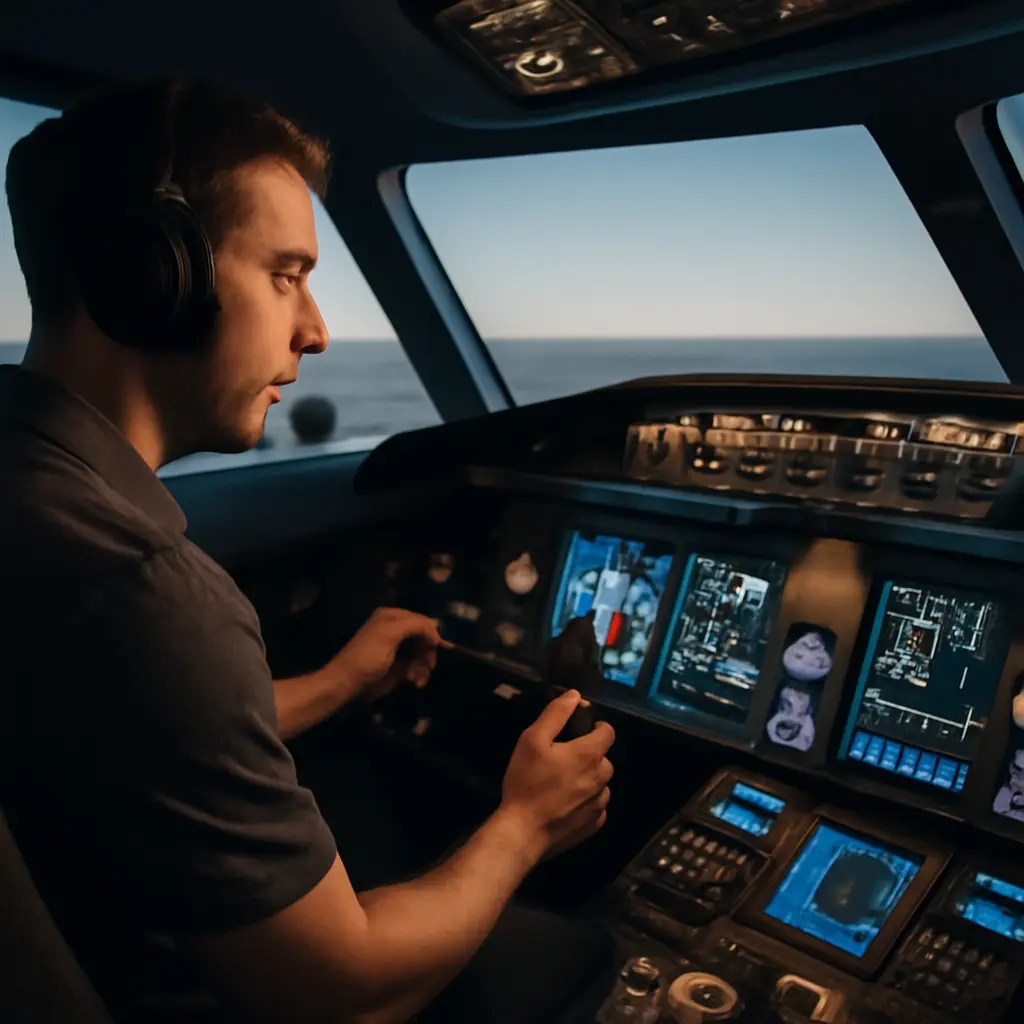
Why simulator anxiety happens
Most pilots experience a spike in stress when simulated failures happen under observation. The brain treats the simulation like a live event: heart rate rises, attention narrows, and memory retrieval slows. A practical way to reframe this is to treat sessions like repeatable experiments and use a small, objective scoring mechanism — similar to a Casino overview rating — to depersonalize outcomes and measure skill trends.
Quick mindset switch (first 3 minutes)
Before you power up the sim, run a short mental checklist: breathe, name the task, set a micro-goal. This short ritual reduces amygdala hijack and gives your prefrontal cortex the green light to work. Use a two-breath reset, then say aloud one simple objective like “stabilize at altitude.” Repeating a small phrase helps you anchor attention and reduces performance anxiety tied to the session’s stakes. Consider scoring that micro-goal with a single point in your personal Casino overview rating to reward consistency.
Rapid physical drills to lower arousal
Physical state drives mental state. These drills are designed to be short, repeatable, and effective:
- Box breathing — inhale 4, hold 4, exhale 4, hold 4 (2 minutes)
- Progressive muscle release — shoulders, jaw, hands (90 seconds)
- Micro-breaks — eyes off instruments for 10 seconds to reset visual scanning
Use these drills between attempts rather than only before starting; the immediate recovery helps you keep a steady Casino overview rating instead of swings that provoke more anxiety.
Structured practice: short, focused reps
Break sessions into short, goal-focused reps to build reliable habits. A recommended template is a 20/5/5 cycle: 20 minutes of focused scenario work, 5 minutes of targeted drill, 5 minutes of reflection and scoring. The reflection should be objective — pick one measurable metric (time to stabilize, checklist completion) and log it. Your evolving Casino overview rating becomes a trendline, not a verdict.
| Drill | Time | Metric | Target |
|---|---|---|---|
| Engine failure, single-engine | 20 min | Time to checklist complete | < 90s |
| Unusual attitude recovery | 15 min | Control inputs smoothness (qualitative) | Controlled in 1 attempt |
| Go-around under crosswind | 10 min | Stable climb at Vr | Maintain runway heading |
Recording these in a simple spreadsheet and converting them to a small composite score — your personal Casino overview rating — helps quantify progress across varied drills.
Practical drills to rebuild muscle memory
Repetition with variation is key. Try an ordered approach so you can scale difficulty methodically:
- Start with single-problem reps (one failure at a time).
- Add a second variable (e.g., radio failure + crosswind) once consistent.
- Progress to time pressure or observer commentary only after baseline is stable.
When you move from step to step, update your Casino overview rating to reflect both difficulty and consistency. This shows where real gains happen and where more reps are needed.
Gamifying practice with a Casino overview rating also lets you set micro-rewards: a certain score unlocks a self-chosen reward (extra simulator time, a favorite meal). This positive reinforcement rewires threat-response into approach-motivation.
Communication and observer roles
Observer pressure is common in checkrides. Use communication scripts so observers deliver feedback without increasing stress. Before a session, agree on one phrase observers will use for interruptions (e.g., “pause for a second”). After a run, ask for two positives and one actionable fix. Track these in your log and add a small bonus or penalty to your Casino overview rating so feedback becomes measurable and less personal.
Forum support and shared scores
Sharing anonymized trends in a forum can normalize variance in performance. Post a simple trendline or top three takeaways; many pilots find that seeing others' fluctuation reduces shame. If you want a focused reading on community changes and moderation, check Forum Trends for ideas on how pilots are using micro-scoring and peer review to reduce anxiety.
When discussing scores in a forum, avoid absolute labels like “good” or “bad.” Instead, frame posts as “This week’s Casino overview rating improved 12% — drills I ran are below.” That language makes progress visible and repeatable.
Equipment and environment tips
Small environmental tweaks reduce stress: dim harsh lights, use a headset you trust, and ensure your seat and rudder setup feel right. Mock-up failures in a quiet, controlled room first. If you want to strengthen your preflight planning to match simulator scenarios, see this short guide on Flight plans for a disciplined approach to scenario setup.
Hardware consistency reduces cognitive load, which helps stabilize your Casino overview rating. When controls behave predictably, you spend attention on flying rather than troubleshooting setups.
When anxiety is persistent: escalation path
If anxiety persists despite these fixes, follow a clear escalation path:
- Step 1: Reduce session length and focus on one simple metric.
- Step 2: Use peer observation in low-stakes sessions only.
- Step 3: Seek professional coaching or a performance psychologist.
Keep a record of interventions and score changes — your Casino overview rating should show recovery trends. If it doesn't after several weeks, professional help is the right next step.
Common mistakes and warnings
Some well-meaning approaches can backfire. Avoid these pitfalls:
- Over-practicing without rest — leads to burnout.
- Comparing raw scores without context — different sims, different baselines.
- Ignoring physical signs — headaches, tremor, or persistent sleep disturbance.
Use your Casino overview rating as a diagnostic tool, not a judgment. If you see wild swings, examine the context: equipment, sleep, nutrition, or stressors outside the sim.
Putting it all together: a 4-week plan
Here's a compact plan that combines the above elements to rebuild confidence.
- Week 1: Baseline — five 20/5/5 sessions, log one metric each session.
- Week 2: Drill focus — introduce two physical drills and test one unusual attitude scenario.
- Week 3: Pressure training — add an observer and simulate a short checkride; adjust scoring.
- Week 4: Consolidate — pick top three metrics, aim for consistent Casino overview rating improvement across them.
By week four, the goal is not perfection but reliable performance under mild pressure. Your personal Casino overview rating should now function as motivating feedback instead of a source of dread.
Conclusion: small steps, measurable gains
Simulator anxiety is treatable with short, structured interventions: breathing, targeted drills, objective scoring, and supportive forums. Turning subjective fear into a repeated, measurable process — using a simple Casino overview rating — reduces threat response and builds durable confidence. Track your metrics, share trends selectively, and prioritize recovery. With disciplined reps and smart use of scores, most pilots see clear improvement in weeks, not months.
Final note: start small, celebrate tiny wins, and use the data you collect to remember that progress is cumulative. That small, steady approach is how pilots turn anxious sim sessions into dependable skill-building practice.


To leave a comment, please sign up or log in
Log in / Sign up