

Mastering Crosswind Landings: Why Consistency Beats Panic
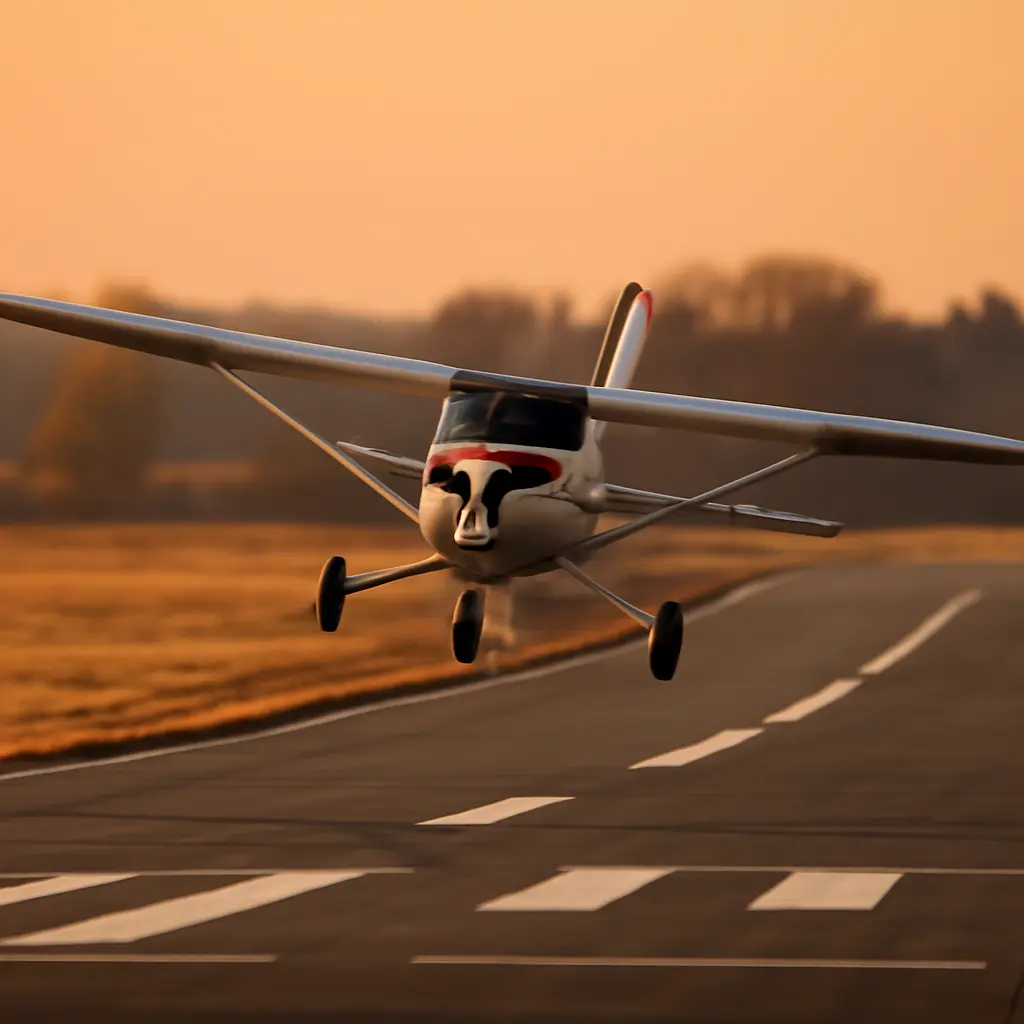
Crosswind landings are one of those skills that separate confident pilots from those who hesitate. With the right technique, practice, and mindset you can turn what feels like a high-stress maneuver into a repeatable routine. In this article you'll get 9 essential pilot tips to handle crosswinds safely, plus practical drills, a reference table for planning, and a friendly reminder that good decision-making is as measurable as a casino overview rating when you know what to look for.
Why crosswind landings matter
Crosswinds affect rollout, touchdown, and directional control. Failing to manage them increases risk of runway excursions and propeller strikes. Think of your approach like evaluating a gamble: a good pilot uses data, not hope. Much like a trusted casino overview rating helps an informed player weigh risk and reward, a solid crosswind technique helps you weigh whether to land, go around, or divert.
Key concepts and limits
Before we dive into the tips, remember three core concepts: crosswind component, crab versus sideslip, and control coordination. Know your aircraft’s demonstrated crosswind capability in the AFM/POH and always add a safety margin. A published number is a guideline, not a rule; treat it like a rating metric you use to influence your final decision.
- Crosswind component: The wind vector perpendicular to the runway.
- Crab: Heading into the wind during approach to track centerline.
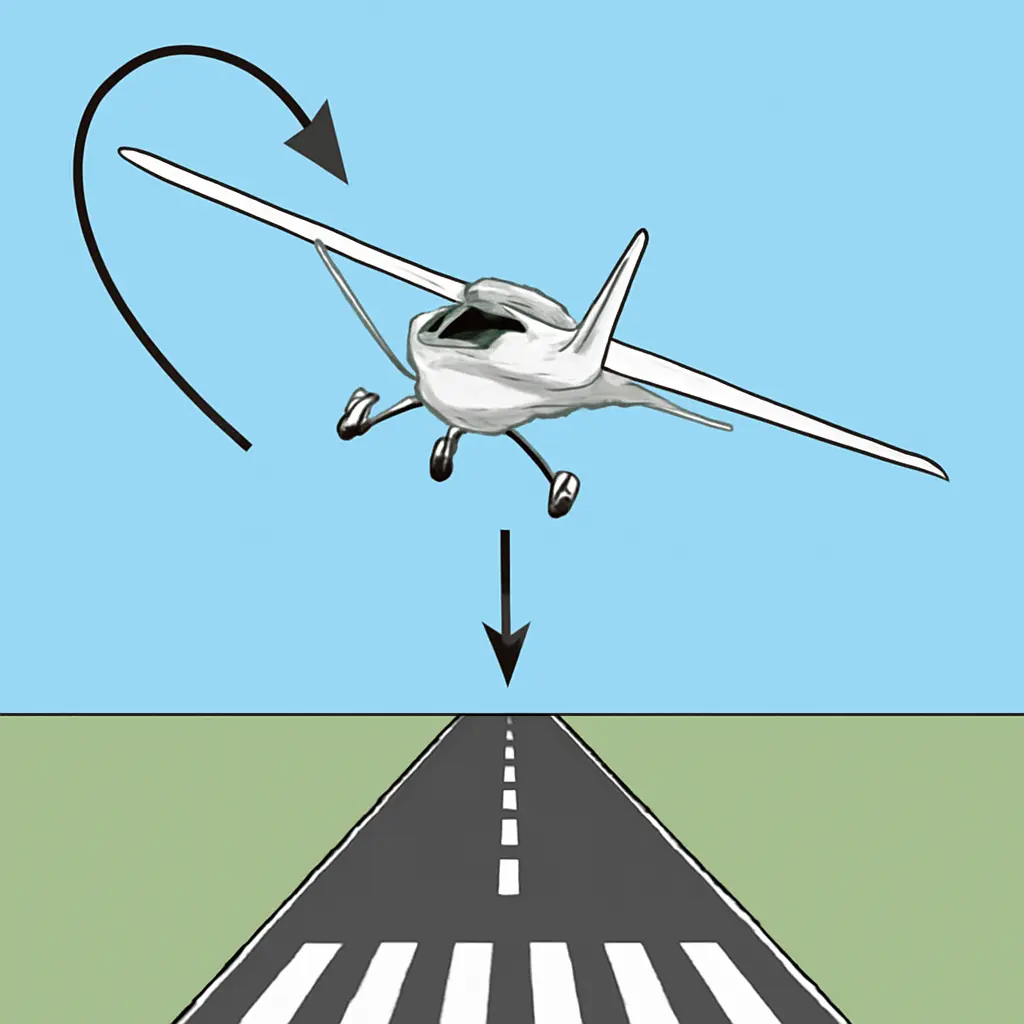
- Sideslip (wing-low): Lower wing into the wind and use opposite rudder to align during touchdown.
Quick reference: crosswind component table
Use this table as a general planning tool for a light piston single. Always consult your POH for specific values.
| Wind Angle | Wind Speed (kts) | Crosswind Component (kts) | Recommended Action |
|---|---|---|---|
| 30° | 15 | 8 | Normal — proceed with standard technique |
| 45° | 20 | 14 | Use firm wing-low sideslip on final |
| 60° | 25 | 22 | Consider diversion or high proficiency required |
| 90° (direct crosswind) | 20 | 20 | Assess runway condition and pilot proficiency |
That table shows how a simple calculation can change your approach plan. Pilots often compare this to familiar ratings: a runway with consistent crosswinds might get a low operational 'score' in your mind, similar to checking a casino overview rating before staking money. Use that mental score to decide whether to proceed or divert.
9 Essential tips to nail crosswind landings every time
- Plan early and brief the approach.
Set up your crosswind plan while still en route. Choose your runway, landing configuration, and go-around parameters. Include a mental limit — for example, if the crosswind component exceeds a specific number you’ll divert. Treat this limit like a risk rating or a casino overview rating threshold: it guides behavior before the pressure builds.
- Prioritize airspeed control.
Maintain the recommended approach speed plus gust allowance (usually half the gust factor). Airspeed buffer equals better control authority — it's a measurable improvement, not a guess.
- Use a crab-to-sideslip transition.
Crab on final to track the runway centerline, then transition to a wing-low sideslip just before touchdown to align the fuselage with the runway. Practice the timing in the pattern until it’s smooth and predictable.
- Keep inside control inputs light and coordinated.
Heavy, jerky controls amplify drift. Apply smooth aileron into the wind and just enough opposite rudder to keep the nose aligned. Think precise, not powerful.
- Choose the right landing technique for your airplane and confidence level.
Some aircraft are easier to touch down flat with a crab, others prefer firm wing-low. Match technique to type, conditions, and your proficiency. If you want structured alternatives to traditional methods, consider exploring Modern training that focuses on scenario-based practice and realistic decision-making.
- Be decisive at flare and touchdown.
Delay worrying: commit to your chosen touchdown point and execute the flare consistently. If the airplane drifts unexpectedly during flare, be ready to add a small correction or go around — hesitation is more dangerous than the corrective maneuver.
- Use the runway wisely.
Touch down slightly upwind of the centerline to leave room for drift during rollout. If crosswind is strong, aim for the upwind third of the runway on touchdown and then straighten as speed decreases.
- Practice go-arounds as part of the maneuver.
Set a personal rule: if alignment or sink rate is unacceptable at a predetermined point, execute a go-around. Treat that rule like stopping when a casino overview rating signals unacceptable odds — a disciplined exit often prevents worse outcomes.
- Log deliberate practice and debrief.
After each crosswind landing, write down what worked and what didn’t. Use metrics — wind component, touchdown point, control inputs — to track improvement. This objective approach resembles reading a casino overview rating to see where you gained or lost ground.
Practice drills that build confidence
Drill practice until your responses are automatic. Below are drills you can do in the pattern or with an instructor. Each drill reinforces a single skill so you can isolate and improve it.
- Crab-to-sideslip drill: Fly the final with a crab and practice the transition 50–100 ft AGL.
- Wing-low control discipline: Land on a calm day practicing wing-low only to feel the authority needed.
- Go-around timing: Practice immediate power-up and climb while maintaining the wing-low attitude.
Track drill results numerically: how many acceptable landings per 10 attempts? That kind of simple rating is the pilot’s equivalent of a casino overview rating — it quantifies performance and helps focus improvement.
Common mistakes and quick fixes
Most crosswind mishaps trace back to a few predictable errors. Recognize them and apply these quick fixes.
- Too much brake or rudder: Fix with smoother inputs and keep feet light on pedals.
- Late transition from crab: Practice earlier conversion to sideslip in the pattern.
- Underspeed approach: Add recommended margins and monitor IAS closely.

Debrief like a pro: write down wind components, where you touched down, and any control quirks. Over time this creates a personal performance profile — your own operational rating — comparable to how aviators check a trusted casino overview rating before placing a bet; both reduce surprises.
When to divert — a simple decision matrix
Sometimes the right call is not to fight the wind. Use a simple matrix: if crosswind component exceeds aircraft capability or your personal limit, or if runway conditions reduce braking effectiveness, divert. Put your limit in writing and stick to it; it's a pilot’s safety rating.
Example decision rules:
- If measured crosswind > aircraft limit: divert.
- If gust spread > 15 kts and you lack recent practice: divert or select longer runway.
- If runway contamination reduces braking: treat as higher risk — choose diversion.
Community, tools, and keeping skills sharp
Forums and pilot communities are valuable. Discussing approaches and sharing recorded data helps refine technique. When evaluating advice online, use the same skepticism you would with a casino overview rating: check sources, look for consistent patterns, and prefer quantified experiences over anecdotes.
Finally, integrate technology: simulators and brief digital debriefs accelerate learning. Track your crosswind touchdowns per session and aim for steady improvement — that measurable progress is your best indicator of competence.
Conclusion: Consistency over heroics
Crosswind landings become routine when you plan, practice, and apply objective limits. Treat each approach like a small decision with measurable inputs: wind component, runway condition, aircraft capability, and pilot proficiency. Use deliberate drills, log your performance, and be willing to divert when the numbers — your personal rating — say it’s safer. And when you’re evaluating risk, whether choosing a runway or checking a casino overview rating, make decisions based on data and disciplined thresholds rather than instinct alone.
Fly safe, practice often, and remember: the best landings start long before you see the runway.



To leave a comment, please sign up or log in
Log in / Sign up