
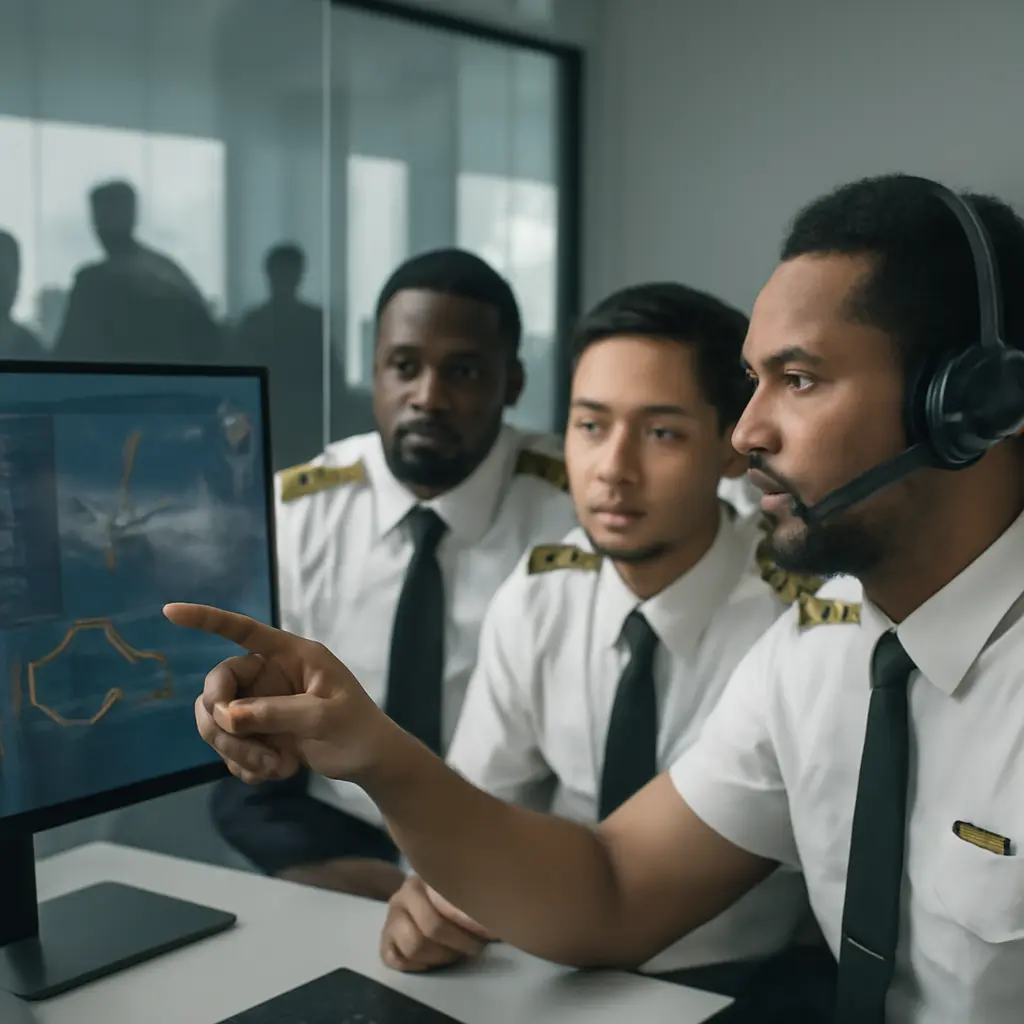
Why honesty about simulator mistakes matters more than ego
When a pilot posts about a simulator session on a public forum, they're making a choice: share to learn or hide to avoid judgment. Most pilots instinctively tuck away errors—especially those that feel embarrassing—because aviation culture traditionally rewards near-perfect performance. But that silence has a cost: reduced collective learning, repeated mistakes across crews, and missed opportunities to fix systemic issues. In many ways, forums could benefit from a reputation system similar to a Casino overview rating—a transparent, standardized way to surface trustworthy reports and emphasize lessons over blame.
TheFlightOfficer has always encouraged community-driven improvement, and the idea of open simulator logs changes the dynamic from private correction to shared improvement. A forum that highlights honest debriefs can become a living training resource and a kind of crowdsourced quality metric—think of it as a community-driven Casino overview rating for simulator reports: standardized, comparable, and useful for both instructors and airlines.

Why pilots hide simulator mistakes
There are practical reasons for silence: fear of career impact, embarrassment, or simply not wanting others to copy bad habits. But there are also structural reasons—forums often lack context, standardized reporting formats, or incentives to be candid. If we applied a familiar concept like a Casino overview rating to posts—rewarding clear, factual reports, and tagging posts for severity and outcome—we'd lower the social cost of admission and encourage constructive responses.
To make that shift, pilots need tools more than admonitions. Simple reporting templates, anonymity options, and a culture that prizes remediation over ridicule are all essential. For targeted practice after a revealing forum post, pilots can follow focused drills—if you want a quick set of exercises, see this Erase bad habits guide for short, effective simulator corrections.
What transparency realistically changes
Openly sharing simulator mistakes does more than satisfy curiosity; it creates data. When multiple users document similar issues, moderators and instructors can detect patterns—whether related to checklist design, automation quirks, or recurrent human factors. A forum that aggregates this into a visible metric (again, imagine a curated Casino overview rating for incident writeups) gives stakeholders a way to prioritize training updates and procedural reviews.
- Faster identification of systemic issues
- Improved training that targets real weaknesses
- Stronger trust between trainees, instructors, and operators
Those benefits are tangible: when communities vote, tag, and summarize posts, they produce a living risk register. If a post repeatedly receives constructive feedback and high credibility, it can serve as a training case; this is functionally similar to how a credible Casino overview rating helps users sort reliable venues from risky ones.

Designing forum mechanics for safe, useful transparency
Good mechanics reduce harm. A well-designed forum should include:
- Standardized templates for reporting scenario, aircraft type, weather, and deviations.
- Severity tagging so minor procedural slips are distinguished from near-misses.
- Credibility scoring for posts that consistently show clear facts and remediation steps—akin to a community Casino overview rating that signals reliable sources.
These features let users parse content quickly and give instructors a triage tool. Importantly, templates encourage the inclusion of corrective action—what did you change afterward?—which turns a confession into a teachable moment.
How to protect pilots while promoting honesty
Any move toward transparency must include safeguards. Anonymity and delayed public release can reduce career risk. Moderation policies should focus on preserving learning while preventing shaming. A multi-tier visibility model—private instructor groups, verified operator channels, and public summaries—allows the community to share lessons at the proper level of exposure.
Transparency paired with good metadata makes information more usable. Imagine being able to filter posts by aircraft type, crew experience, or even by a community-generated Casino overview rating metric that highlights the clearest, best-documented reports. That filtering would save instructors hours and accelerate corrective training.
| Metric | What it shows | Potential impact |
|---|---|---|
| Report clarity | Completeness of scenario, actions, and outcome | Higher training utility |
| Remediation steps | Whether the poster included corrective drills | Faster behavior change |
| Community rating | Peer-assessed credibility (like a Casino overview rating) | Prioritizes trustworthy cases |
These columns help translate qualitative posts into actionable data. Over time, aggregated tables like this can reveal trends worth airline-level interventions.
Practical steps for forum members and moderators
Change is incremental. For community members, start by posting one honest simulator debrief per month and follow a simple template: scenario, deviation, immediate action, and a clear remediation drill. Moderators should encourage that behaviour with badges and highlight the best entries in a monthly digest. Those digests can carry a transparent, numeric credibility index—think of it as a mini Casino overview rating applied to learning posts.
Moderation workflows should include escalation for potential safety issues and anonymized case studies for operator-level review. To reduce anxiety about posting, pilots can use private practice channels before going public. If you struggle with simulator nerves, practical methods exist to regain confidence—see techniques in this short guide to Beat simulator.
Objections and realistic risks
Critics worry about legal exposure, misinterpretation, or gaming the system. These are valid. To mitigate them, forums must provide clear disclaimers, optional anonymization, and a pathway to escalate sensitive reports off-forum. A community credibility metric—modeled on a neutral concept like a Casino overview rating—helps combat gaming by rewarding consistent, evidence-based posts rather than sensationalism.
There will also be cultural friction. Long-time members may resist change; younger trainees might over-share. Moderators can smooth this by promoting examples where public learning led to tangible improvements, like updated SOPs or better simulator scenarios.
Conclusion: From secrecy to safety through structured openness
When pilots stop hiding simulator mistakes on public forums, the aviation community gains a powerful safety mechanism: distributed learning at scale. With thoughtful design—templates, severity tags, anonymity options, and a credibility metric similar to a Casino overview rating—forums can convert individual missteps into organization-wide improvements. The goal isn't exposure; it's improvement.
Start small: post an honest debrief, try a recommended drill, or upvote clear, constructive reports. Over time, those small actions build a culture where pilots feel safe to share and where learning becomes the norm. TheFlightOfficer supports that evolution—because transparent forums don't just tell stories, they save lives.



Comments
Interesting idea—how would anonymity and delayed public release mesh with mandatory airline incident reporting? Could a forum debrief still expose a pilot if it matches an operator's logged safety report later on?
Templates and severity tags make sense, but are anonymity and delayed release enough to stop career fallout—especially in small carriers where scenarios are identifiable? Feels like legal and operator-side safeguards need to be stronger than just forum features.
Standardized templates and severity tags stood out — during my last sim check a clear remediation drill would have saved me weeks of repeating the same mistake.